Ghost Plug-Ins and Missing Stems: The Real Cost of Reopening a Mix
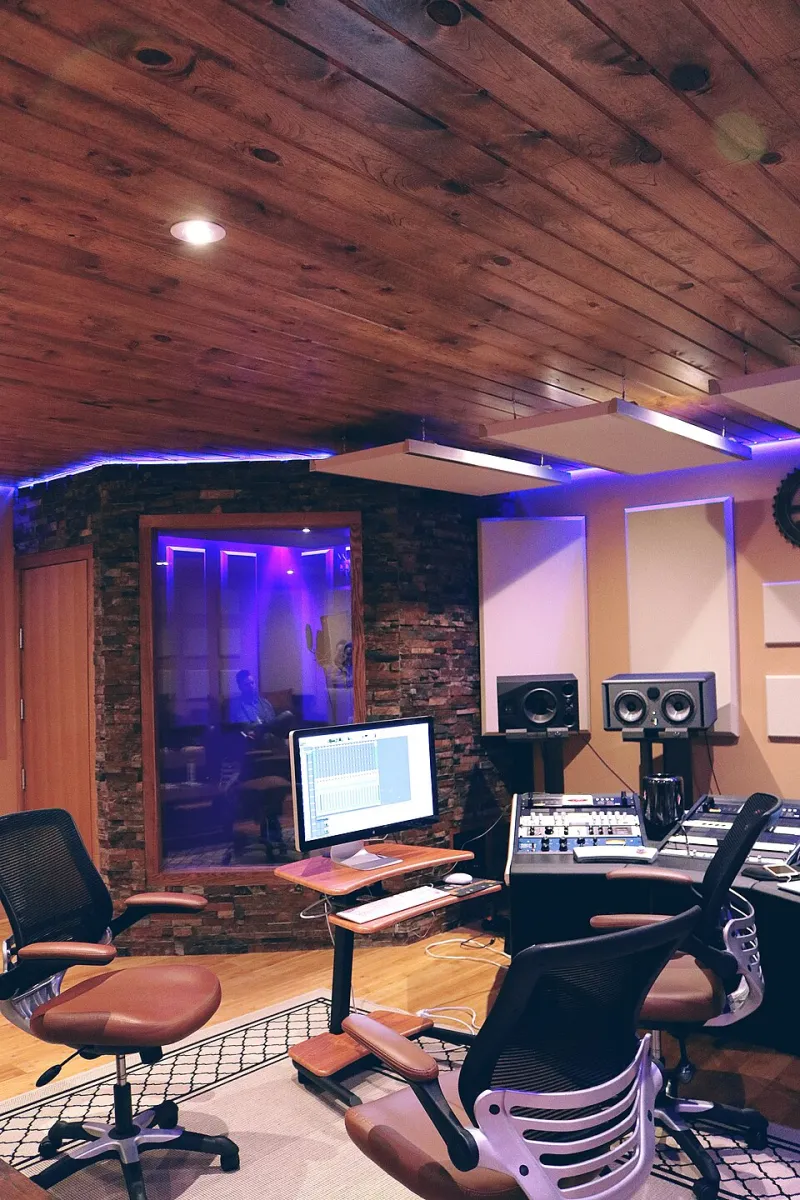
Photo: Dayron Villaverde from Miami, USA, CC0, via Wikimedia Commons
Six months after the final tweak, the email lands. “We’re finally ready to release it — can you open the mix?” The file opens, mostly. The drums are there. The vocal is there. But the snare no longer has that expensive-sounding snap, the delay on the second verse has vanished, and the master bus is wearing a red exclamation mark where a compressor used to sit. Nobody touched anything. The session simply outlived the software it was built on.
This is the quiet administrative horror of modern recording: the session file is not the mix. It is a set of instructions, and those instructions depend on plug-ins, licences, sample libraries, operating systems and a chain of downloads that may or may not still exist. When a client returns expecting the past to reopen, the studio has to reconstruct it. That takes time. And in 2026, more UK rooms are deciding that time deserves its own line on the invoice.
The file is not the mix
A DAW session is a map, not the landscape. The audio may be sitting safely on a drive, but the character of the mix often lives in third-party processors: a tape emulation that is no longer sold, a reverb that moved to a subscription model, a channel strip that requires an iLok authorisation nobody can find. Add in a macOS update, a new computer, or a plug-in company that has been acquired and renamed, and the recall becomes a small archaeological dig.
Engineers know this. Clients usually don’t. From their side, they paid for a mix; the mix should exist. They are not being unreasonable — they just haven’t seen the behind-the-scenes work of hunting down an installer for a discontinued compressor while a vocalist waits for a Spotify link.
Where the recall hours actually go
The awkward part is that reopening a mix rarely fails dramatically. It fails in small, expensive ways. A plug-in loads but sounds different. A sample library asks for a location that no longer exists. Automation curves are intact but the plug-in version has changed its scaling, so the vocal rides are now slightly wrong. The studio then has to A/B against a reference bounce, rebuild the chain, and check that nothing has shifted. That is not a five-minute job. It is an hour, or three, or a day if the session is dense.
Many UK studios have historically absorbed this as part of “looking after the client”. But with room rates under pressure and software subscriptions steadily rising, absorbing it is no longer sustainable. Some are now quoting a separate session resurrection fee: a fixed charge to reopen, verify and prepare an old project, with any further mixing billed at the current day rate. Others build a recall window into their terms — free for 30 days, say, then chargeable. A few offer a paid archive service at delivery, where the studio verifies stems, prints effects and stores a bundle that is more likely to survive.
The 2026 recall conversation
What’s changed is not the technology so much as the expectation. In 2026, plug-ins are increasingly rented rather than owned, and subscriptions lapse. A studio can’t assume the client’s favourite reverb will still be authorised on the old machine. So the recall clause is moving out of the small print and into the booking conversation. It sounds a bit unromantic, but so does insurance. The point is to avoid the moment where a returning client is told, after the fact, that reopening their record costs extra.
The better studios explain it plainly: “Your mix is guaranteed recallable for X weeks. After that, we can still open it, but it becomes a project — and we’ll quote for it.” That is fairer than pretending recall is always free and then quietly cutting corners when it isn’t.
Archive hygiene that pays for itself
None of this removes the need for good habits. The most robust defence is still a boring one: print stems, print effects, and commit the heavy processing where you can. A folder of wet and dry stems will outlive almost any plug-in. Alongside that, keep a mix bible — a PDF with plug-in versions, sample paths, outboard settings, tempo maps and any odd routing notes. Save the installers you rely on, not just the licences. Label sessions with dates and client names, and keep a read-only “cold” copy that nobody can accidentally save over.
It also helps to record what the mix sounded like. A reference bounce in a lossless format is the ground truth when the session opens and something feels off. Without it, the engineer is guessing at a memory.
The awkward bit is the invoice
Session resurrection fees are not a cash grab. They are the cost of digital custody. A studio that keeps old work openable is maintaining drives, software knowledge and machine setups that the client never sees. Charging for that work is no different from charging for studio time or a hire fee. The mistake is springing it on someone who assumed recall was part of the original deal.
For clients, the takeaway is simple: ask what happens after delivery. Will the mix open in a year? On what system? With which plug-ins? If the answer is vague, it may be worth paying for a verified archive now rather than discovering the problem when the release date is already booked.
In 2026, a mix is less a finished object than a living dependency. The rooms that handle that well are not just good at making records — they are good at keeping the door to those records open. And that, increasingly, is a service worth naming on the quote.