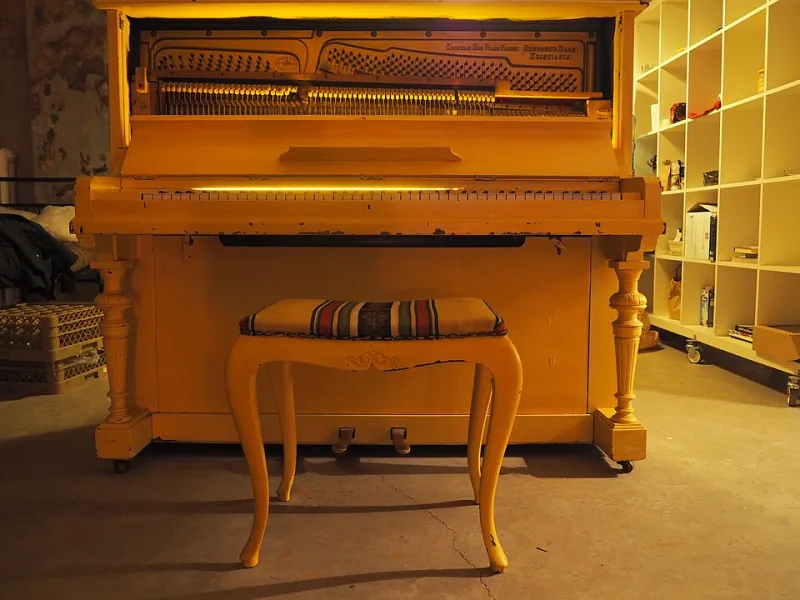
The Upright in the Corner: A Stewardship Guide for Studio Pianos
That inherited upright can be a booking magnet or a quiet liability. Here’s how UK studios keep a house piano tuned, insured and honest about what it can actually deliver in a session.
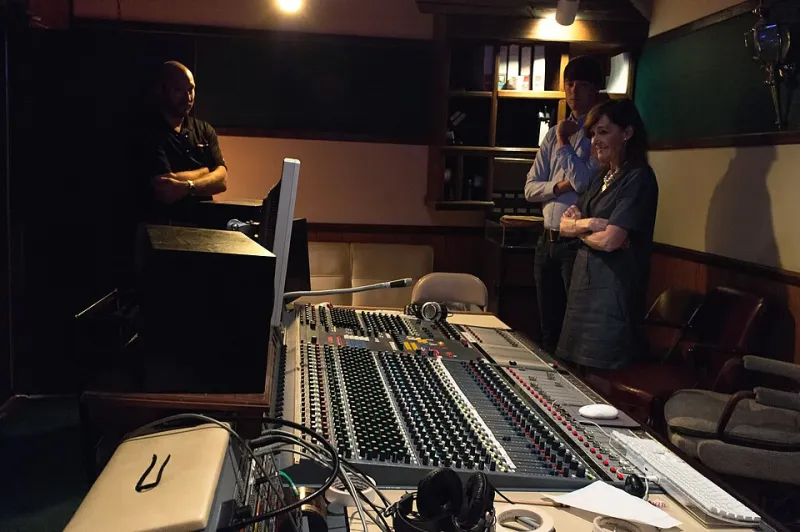
Inside the UK's recording studios
That inherited upright can be a booking magnet or a quiet liability. Here’s how UK studios keep a house piano tuned, insured and honest about what it can actually deliver in a session.
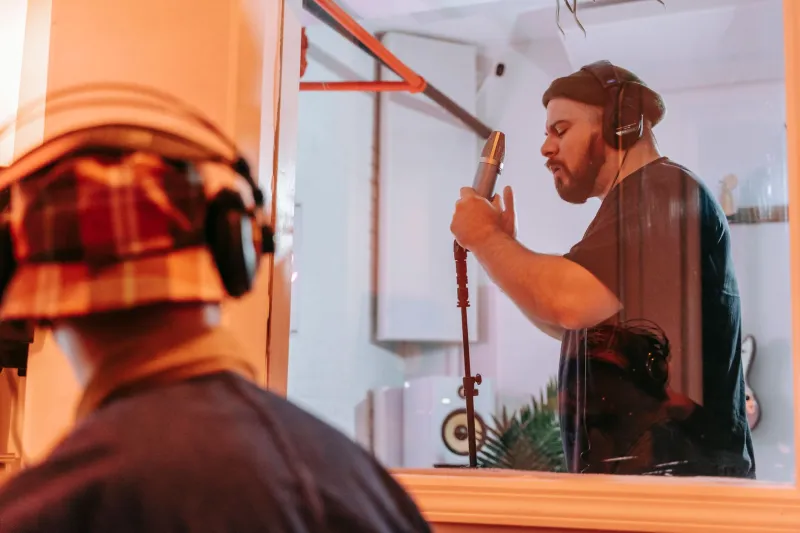
Remote mixes, cloud stem delivery and Atmos approvals all depend on one unglamorous number: your upload speed. In 2026, UK studios are discovering that the line out of the building matters as much as the room inside it.
Winter in a converted UK studio is never just a temperature setting. It is radiator clank during a quiet verse, dry air on a singer's throat and a piano that drifts a few cents by lunchtime. Here is how to plan heat around the take, and what to ask before booking a cold-weather session.
A client comes back months later expecting the mix to open exactly as they left it. Often it doesn’t — and the time it takes to resurrect a session is becoming a line item in its own right. We look at why UK studios are quoting recall work separately in 2026, and how a bit of archive hygiene can save everyone a very awkward phone call.
More artists are turning up to UK sessions with their own microphones, preamps and monitors in tow. It’s not a turf war—it’s a logistics, insurance and people-management puzzle. Here’s how studios are handling client-supplied gear without bruising egos or burning cash.
Studio cats, dogs and other resident animals can soften a session, sell a room and give a small UK studio a personality clients remember. They can also trigger allergies, chew cables and complicate insurance. This is the clear-eyed guide to making a studio pet an asset rather than an accident waiting to happen.
UK studios are turning room tone, impulse responses and empty-room ambience into paid sample libraries. But selling silence is not as simple as pointing a mic at an empty live room — it raises questions about licensing, credit and what a studio's craft is actually worth in 2026.
Engineers have long treated the windowless live room as a mark of seriousness, but a quiet shift is underway in UK studios. Daylight, fresh air and a view of the weather are being reframed as performance tools — and as a reason to book one room over another in 2026.
The headphone mix is often treated as the last thing patched and the first thing compromised. In UK studios, that is changing fast, as engineers treat the cue feed as a performance tool rather than a necessary evil.
Multitracks now travel with questions attached. Across UK studios in 2026, AI addenda are appearing in session paperwork — covering training consent, stem retention, model-generated versions and credit. Here is what producers, players and room owners should ask before the hard drive leaves the building.
Deposits are no longer just a booking formality. In 2026, UK rooms are using clearer cancellation terms, smarter waitlists and tiered deposits to protect their calendars without treating every artist like a flight risk. Here is what actually works — and what quietly breeds resentment.
A rider that specifies the tea, a green room that feels cared for and a kitchen that actually works can quietly win repeat bookings. This is how UK studios use hospitality as part of the service, without turning the place into a boutique hotel.
Vintage compressors and tape machines still define the sound of plenty of UK rooms, but the people who keep them running are in short supply. Here is what the 2026 servicing queue really looks like, how studios are planning around it, and what to check before buying used outboard.
UK studios are increasingly bundling resident producers and engineers into bookings, turning the old room-rate model into a package deal. Here's how those arrangements work, what artists should ask about ownership, and where the deal can sour on both sides of the glass.
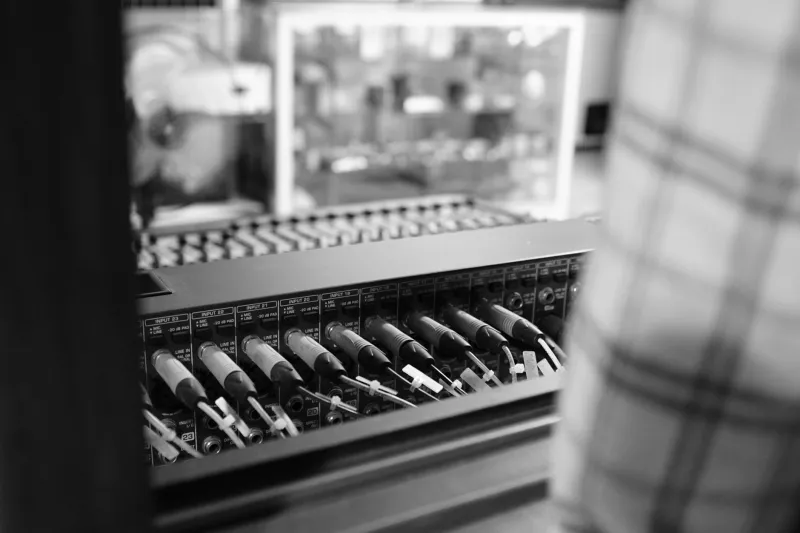
A studio's patchbay is part maintenance log, part confession and part map of every session that has passed through the room. Here's how UK artists and producers can read the wiring before they put down a deposit.
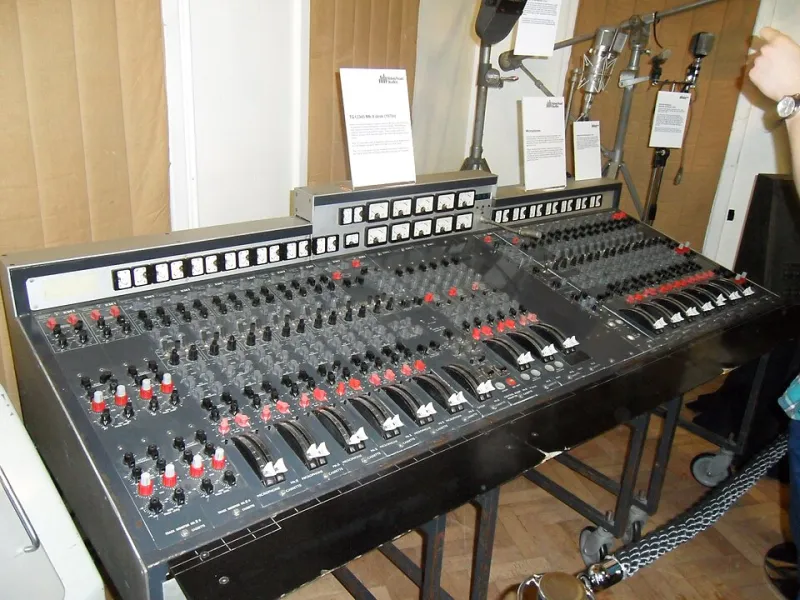
When Britain's studio doors close, the consoles do not always go quietly. This is a field guide to the Neve, SSL and EMI desks that have been rescued, stored, exported and sometimes brought home, and to the engineers who keep them alive.
Noise abatement notices and planning rows are becoming a fact of life for small UK studios. From London conversions to Glasgow tenements, here is how the paperwork works, what it costs and what owners can do before a complaint becomes a closure.
The £12-an-hour rehearsal room hasn’t vanished because nobody wants it. It’s gone because the maths stopped working. We talk to studio owners, emerging artists and council-backed schemes about the memberships, pop-ups and community hubs replacing the old model — and what it means for the next wave of British bands.
From Victorian churches to cotton mills, the UK’s most characterful recording studios often hide inside listed buildings. We tour seven of them — not just for the gear, but for the lessons their stone, brick and timber offer any producer working in an unusual space.