The Producer Comes With the Room: Inside UK Studios' Resident Talent Deals

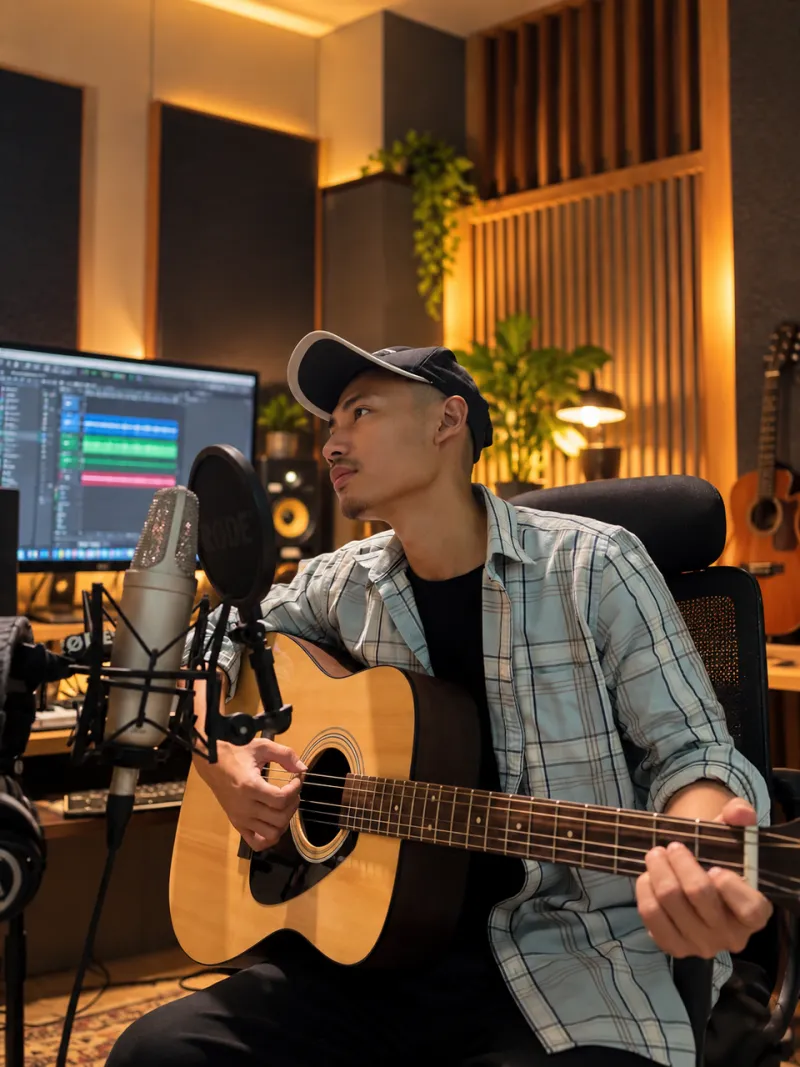
Photo: Autoclavebeats, CC BY-SA 4.0, via Wikimedia Commons
The old model was simple enough. You booked a room, you brought an engineer, and if you wanted a producer you found one yourself. The studio sold space and gear. The producer sold taste and time. Everyone knew where the invoice was going.
In 2026, that model is looking increasingly old-fashioned. Across the UK, studios are advertising resident producers and engineers as part of the booking. Sometimes it is an all-in day rate. Sometimes it is a package that includes tracking, mixing and a certain number of revisions. Sometimes it is a producer who works out of the building and is available to artists who book the room.
The pitch is attractive. For an emerging artist, it means fewer people to find and fewer separate bills. For a studio, it means a way to fill quiet days and offer something a home setup cannot. But the shift raises questions that are easy to ignore at the booking stage and much harder to answer halfway through a session.
How the deal actually works
Resident talent arrangements come in several shapes. The producer may be employed by the studio, on a retainer, or freelance with a preferred-room relationship. The engineer may be part of the room rate or charged separately. The package may include pre-production, tracking, editing, mixing or just the first day of tracking with an option to book more.
In practice, the all-in day rate is the most common headline. A studio might advertise a room, an engineer and a resident producer for a single figure. That figure can look competitive against booking the components separately, especially in London, Manchester or Bristol where day rates add up quickly. But the package is only good value if the scope is clear.
Ask what happens when the session overruns. Ask who pays for the producer's time if the band needs an extra day. Ask whether mixing is included, whether revisions are capped, and whether the resident producer is available for the mix or only for tracking. The answers will tell you whether you are buying a service or a vague promise.
What artists should ask about ownership
This is the part that gets skipped when everyone is excited about the room. Ownership is not a detail. It is the deal.
If the resident producer contributes to the songwriting, you need to agree a split before the session. If they are only producing the recording, you need to agree what that means for the master and for any future use. If the studio is providing the producer as part of the room rate, you need to know whether the producer is a work-for-hire or an independent party with their own agreement.
Get it in writing. A one-page deal memo is better than a long WhatsApp thread. It should cover the master ownership, the producer's fee or points, the publishing split if there is one, the credit, the delivery format, the number of revisions and who owns the session files. If the producer is contributing to the composition, a split sheet is not optional.
UK artists should also think about collection societies. If a producer becomes a co-writer, that affects PRS and PPL income. If they are purely a producer, the arrangement may be different. The point is not to turn a session into a legal seminar. It is to make sure nobody is guessing when the track starts earning.
The studio's side of the bargain
For studios, resident talent is a way to differentiate. A room with a proven producer is more than a room. It is a creative package. That can justify a higher rate and build a pipeline of artists who return because they trust the person behind the desk.
But it also ties the studio's reputation to an individual. If the resident producer is brilliant but unreliable, the studio carries the blame. If the producer leaves, the package may lose its appeal. If the producer is freelance, the studio needs to be clear about insurance, availability and who is responsible if something goes wrong.
There is also the question of double-booking. A resident producer who is in demand may be juggling several artists. The studio may promise availability that the producer cannot deliver. The artist then feels misled, and the studio looks disorganised. The fix is boring but effective: confirm the producer's dates in writing and make sure the booking contract names them.
Where it goes wrong
The most common fall-out is not about money. It is about expectations. An artist hears 'resident producer' and assumes they are getting a creative partner who will help shape the songs. The studio hears 'resident producer' and means a staff engineer who will get the sessions running smoothly. Both are reasonable readings, and neither is written down.
Another common problem is scope creep. Pre-production turns into songwriting. Tracking turns into mixing. A revision turns into a rewrite. The all-in rate starts to look less generous, and nobody wants to be the person who brings up the invoice. That is why the deal memo matters. It protects the artist from surprise costs and the studio from unpaid work.
On the artist side, the risk is giving away too much for too little. A producer who contributes to the writing may deserve a share, but the split should reflect the contribution. A studio that offers a cheap package may be using the producer as a loss leader, which can lead to rushed sessions and divided attention.
On the studio side, the risk is becoming a production house without admitting it. If the resident producer is doing A&R, arrangement, engineering and mixing, the room is no longer just renting space. It is making records. That can be a great business, but it needs to be priced and contracted properly.
A practical checklist before you sign
Ask who the producer is contracted to. Ask what is included in the day rate and what is extra. Ask about overtime, deposits and cancellation. Ask who owns the masters and the session files. Ask about producer points, publishing splits and credit. Ask whether you can meet the producer before booking. Ask what happens if they are unavailable. Ask for a one-page deal memo and read it before you pay.
None of this is glamorous. But the alternative is a session where the creative conversation is going well and the business conversation is happening in the car park. The best resident talent deals are clear enough that everyone can forget the paperwork and get on with the music.
Renting a relationship
Bundling a producer with a room can be a genuinely good thing. It gives emerging artists access to experienced people, and it gives studios a reason to be more than a landlord. But it is still a relationship, not just a line item. The room may come with a producer, but the producer comes with terms.
Ask the boring questions early. Then you can spend the session arguing about the snare sound instead of the contract.