When the Decibel Notice Lands

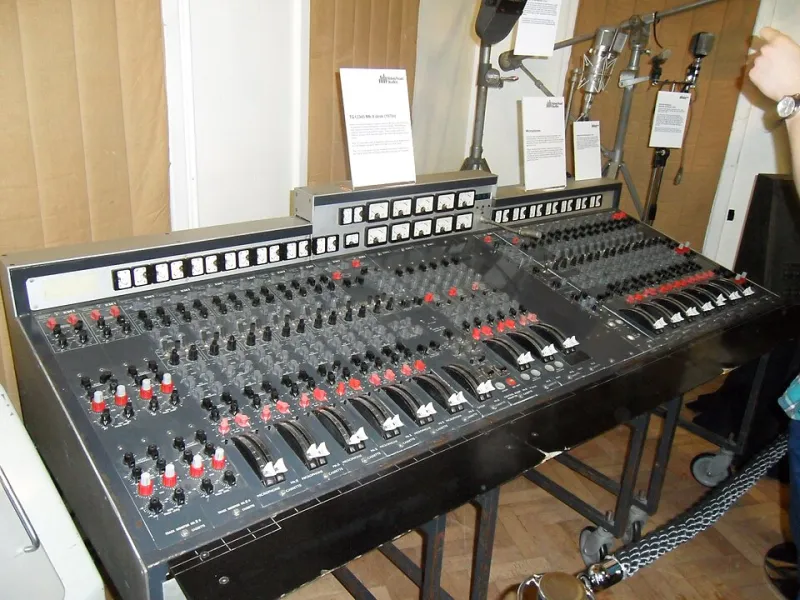
Photo: Susamdb, CC BY 4.0, via Wikimedia Commons
A noise complaint rarely arrives as a knock at the door. It arrives as an email, a letter from the council, a planning condition that nobody remembers agreeing to. For small UK studios in 2026, the quiet crackdown is not a metaphor. It is a paper trail that can end a room.
The rules themselves are not new. The Environmental Protection Act 1990 gives local authorities powers to deal with statutory nuisance, including noise. Planning law controls what happens in a building and how it can be used. Licensing adds another layer for premises with alcohol or regulated entertainment. What feels new is the volume of disputes, and the way they land on grassroots rooms that do not have a legal department.
How a complaint becomes a notice
Most cases start with a neighbour and a diary. The council may ask the complainant to keep a log, then send an environmental health officer to assess. If the officer decides the noise is a statutory nuisance, the council can serve a noise abatement notice. That notice can require steps to be taken, or impose limits.
The timetable matters. In England and Wales, an appeal against a noise abatement notice generally goes to the magistrates' court within 21 days. Miss it and the notice stands. Breach can lead to prosecution and fines. For a small studio, the legal costs can be as frightening as the fine.
There are defences, depending on the type of noise and the premises. 'Best practicable means' can be relevant for some trade or business noise, but it is not a magic word. It requires evidence of what was done, what was considered and why the remaining noise was unavoidable. That is why paperwork starts on day one, not the day the letter arrives.
Planning: the slower squeeze
Noise abatement is the fast route. Planning is the slow one. A studio can fall foul of a change-of-use condition, an unauthorised development allegation or a new residential scheme next door. The 'Agent of Change' principle, embedded in national planning policy, was supposed to help music venues by making the incoming developer manage the impact. In practice, it is applied unevenly.
Small studios often sit in converted mills, railway arches, light industrial units and back-of-shop spaces. Those buildings can have thin walls, shared structures and neighbours who did not expect bass. A planning condition may limit hours or require sound insulation. If the studio did not commission the original acoustic report, it can spend years arguing about what the condition actually means.
London: the pressure cooker
In London, the pressure is residential. A room that was affordable ten years ago can now be surrounded by flats, and the people who move in may not know a studio is there. One small London studio owner describes a complaint that began with a single low-frequency note and ended with a council officer standing in the live room with a sound level meter.
The owner had kept no noise log, had no acoustic survey and had never spoken to the neighbour. By the time the notice arrived, the relationship was already hostile. The studio eventually invested in isolation and a revised schedule, but the legal bill was the real damage.
The lesson is not that every studio needs a lawyer. It is that early, documented engagement is cheaper than a dispute. A polite conversation, a contact number and a clear policy on out-of-hours work can prevent a complaint from becoming a file.
Manchester: the neighbourhood boom
Manchester's conversion boom has created a familiar tension. Rehearsal rooms and small studios move into old industrial space, then apartments follow. The result can be a planning argument about hours, insulation and what counts as acceptable noise in a mixed-use area.
One Manchester operator says the hardest part is proving what the room was before the neighbours arrived. Planning history, leases and old photographs matter. If the studio can show that noisy use was established, it has a stronger position. If not, it may be treated as the newcomer even when the neighbours are newer.
Glasgow: tenement acoustics
Glasgow has its own acoustic reality. Tenement flats share walls and floors, and low-frequency sound travels in ways that a simple decibel reading may not capture. A studio in a basement or back room can be audible upstairs without being 'loud' in the usual sense.
A Glasgow engineer describes a dispute that hinged on timing rather than volume. The neighbour worked nights; the studio worked evenings. Mediation helped more than a meter. The studio changed its schedule, added isolation and agreed a review. It was not a victory, but it kept the room open.
What actually helps
If a letter arrives, do not ignore it. Read the deadline. Take photographs. Keep a noise diary of your own, including sessions, levels and any mitigation. Contact the council officer and ask what specific problem they are assessing. Consider an acoustic consultant early, before positions harden.
Check your planning permission and lease. Look for conditions about hours, sound insulation and use. Review your insurance. If the notice is formal, get specialist legal advice on appeal deadlines. Mediation is not a surrender; it is often the cheapest way to keep a working relationship.
Practical mitigation can include secondary glazing, independent wall linings, floating floors, sealed doors, ventilation that does not leak sound and a sensible schedule for bass-heavy work. None of it is cheap, but it is cheaper than closure.
The bigger question
The UK's grassroots studio pipeline depends on small rooms. They are where engineers learn, where bands make first records and where the industry tests ideas. Noise law exists to protect residents, and it should. But a proportionate system needs to recognise that music production is not the same as a late-night party.
In 2026, the crackdown is less about one notorious case and more about a hundred small ones. The studios that survive will be the ones that treat noise as a production issue, not an afterthought. The ones that do not may find that the quietest room in the building is the one that used to be a control room.