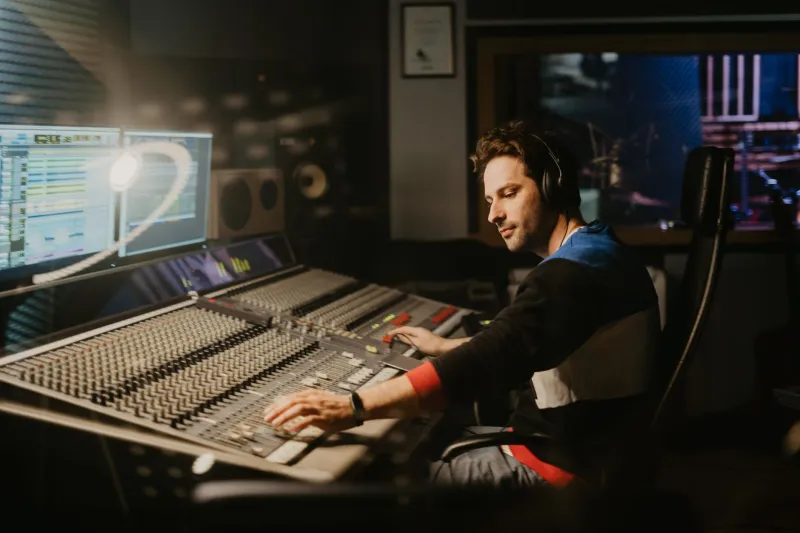
Cold Snap, Clean Take: Heating a Victorian Studio Without Wrecking the Vocal
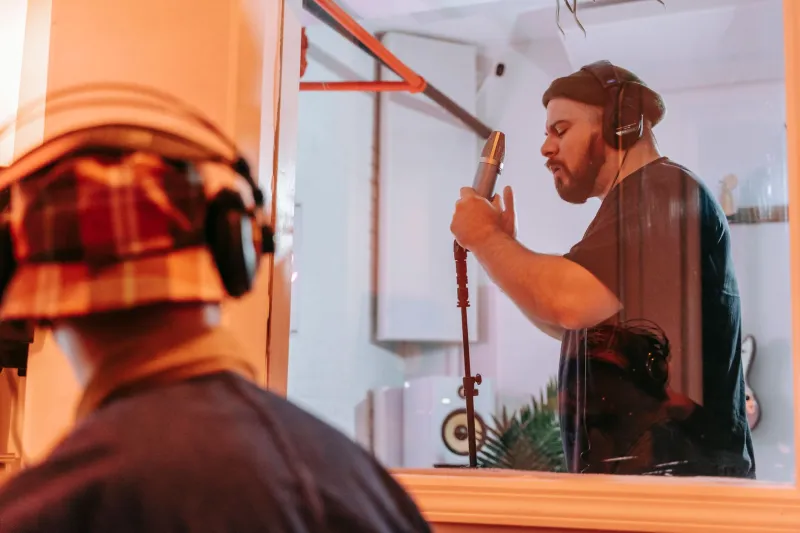
Winter in a converted UK studio is rarely a simple question of turning the thermostat up. It is a negotiation between a Victorian shell, a boiler with opinions and a singer who needs the room to feel neither Arctic nor airless. Heating affects the take as much as the mic position does—sometimes more. The hiss from a radiator can land in a quiet verse; dry air can turn a comfortable vocal into a scratchy one by the third pass. If you are booking a cold-weather session, or running a room that hosts them, it pays to think about heat before anyone opens a lyric sheet.
The Building Sets the Rules
Most UK studios are not purpose-built boxes. They sit in old warehouses, schools, terraces and light-industrial units, with sash windows, high ceilings and pipework that has seen a few decades. That character is part of the appeal. It also means the heating system is often a patchwork: a cast-iron radiator here, a modern combi boiler there, a storage heater in the corridor and an electric fan heater that someone wheels out when the control room gets chilly.
In winter, those systems make noise. Pipes tick as they heat. Radiators clank when the valve opens. A boiler may fire up with a low thump that travels through the building. None of this matters during a loud band take. It matters a great deal during a fingerpicked acoustic or a close vocal. Studio managers know this, which is why the best ones treat heating as part of the session schedule rather than background admin.
What Heat Does to the Room and the Take
The first thing to watch is relative humidity. Warm air holds more moisture, but as a room heats up without added humidity, the air can become dry. For singers, that means throat discomfort, tickly coughs and a tendency to push harder than necessary. For wooden instruments, it can mean shrinkage, sharp fret ends and tuning instability. Pianos are especially sensitive: a room that swings from cold to hot can send a piano a few cents sharp or flat, and it may not settle until the heating has been steady for a while.
Then there is the noise. Radiator hiss is easy to ignore until you are comping a quiet vocal and realise every breath has a faint white-noise bed under it. Boiler ignition, pipes expanding and thermostatic valves clicking can all arrive at the wrong moment. A studio can work around this by heating the room early, then letting the system settle before the red light goes on. But that requires planning, not a mid-session panic.
Plan the Heating Around the Calendar, Not the Clock
A good winter session starts the day before. If the room has been cold overnight, bringing it up to temperature an hour before the call time is rarely enough; the walls, floor and furniture need time to stabilise. Studios that host a lot of winter work often run a low background temperature overnight, then lift it gently in the morning. That avoids a sudden blast of heat and gives the building a chance to settle.
For artists, the practical question is not simply 'is it warm?' but 'when does the heating make noise, and can we schedule around it?' Ask whether the studio can delay a boiler cycle during a vocal pass, or whether a radiator can be turned down in the live room while the control room stays comfortable. Some rooms use zonal heating for exactly this reason. Others rely on oil-filled radiators in booths, which are quiet but slow to respond. Neither is wrong; you just need to know which one you are walking into.
A Cold-Weather Booking Checklist
Before you book a winter session, ask the studio manager a few straightforward questions. The answers will tell you more about the day than any gear list.
- What kind of heating does the building use, and is it audible in the live room or vocal booth?
- Can the heating be put on a schedule so it is not firing up mid-take?
- Does the studio monitor humidity, and can they provide a reading for the day?
- When was the piano last tuned, and will it be tuned after the heating has stabilised?
- Are there humidifiers or dehumidifiers available, and who is responsible for topping them up?
- What is the policy on portable heaters, and are they quiet enough for a booth?
- Can instruments be stored away from radiators, windows and direct heat?
- Are there warm-up spaces and breaks built into the day, especially for singers?
- What is the overnight temperature, and will the room be warmed before the session starts?
For Studio Managers: Small Fixes, Fewer Retakes
Most heating problems are not solved by replacing the entire system. They are solved by maintenance and communication. Bleed the radiators before winter. Insulate exposed pipes that tick. Fit thermostatic valves so individual rooms can be controlled. Seal draughty doors and windows, but keep ventilation in mind—stale air is its own problem. Log humidity alongside temperature, especially in rooms with pianos or valuable wooden instruments. Book piano tunings after a stable heating period, not immediately after the first cold snap.
It also helps to tell clients what to expect. A short note in the booking confirmation—'the live room is heated by a radiator that can tick during warm-up; we schedule heating cycles away from vocal takes'—prevents a lot of unnecessary worry. The same goes for a simple house rule about not adjusting the thermostat. Artists are often cold, nervous and eager to help; the last thing a studio needs is someone cranking the dial during a string overdub.
The Artist's Side of the Thermostat
For artists, winter comfort is partly practical. Bring layers you can remove without rustling. Keep water nearby. Warm up properly before a vocal take, and do not confuse a cold room with a reason to sing harder. If the air feels dry, say so. If a radiator is hissing, point it out before the take rather than after. A good studio will want to fix it.
The best winter sessions feel calm because the heat has been dealt with quietly in the background. The room is warm, the air is not bone dry, the piano has had time to settle and the boiler is not about to interrupt a hushed final line. As winter 2026 settles in, that is the standard worth asking for—not a tropical studio, just a room where the heating knows its place.