Open the Blinds, Save the Take: Daylight and Air in UK Studios

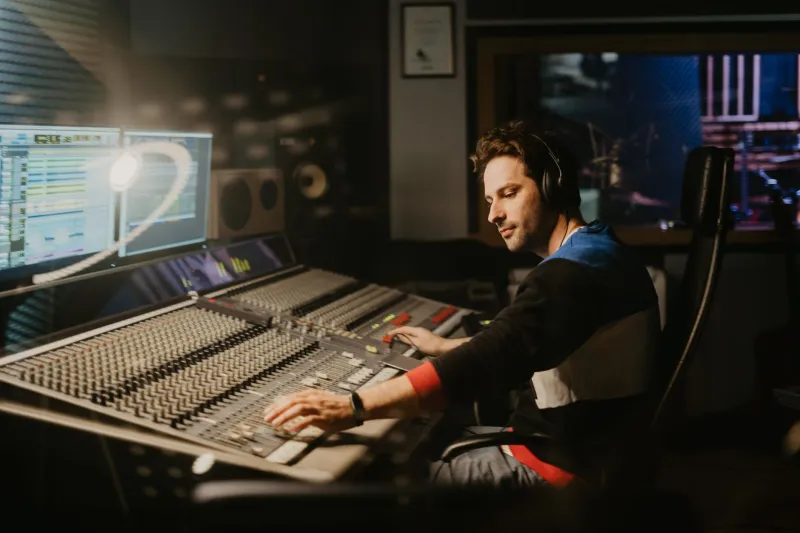
Photo: Jon Gos from Philadelphia, Unites States, CC BY 2.0, via Wikimedia Commons
For decades, the windowless live room has been a point of pride in British studio design. No distractions, no traffic noise, no clue what time it is. The sealed box was a serious place to make serious records. But a quiet recalibration is underway. Engineers, studio owners and artists are starting to treat daylight and fresh air not as luxuries or compromises, but as part of the instrument. In 2026, a room with a window is no longer seen as a compromise — it is increasingly a feature.
The romance of the sealed box
The logic behind the windowless room was sound. Acoustic isolation is easier without glass. Lighting can be controlled. Nobody gets distracted by a pigeon on the fire escape. But the costs are cumulative. A windowless room can feel like a submarine by hour eight. Studio managers describe the moment when a vocalist's energy dips and it is not the mic or the take — it is the lack of a horizon. Session fatigue is real, and it is not only in the ears. The industry has spent decades perfecting the sound of a room while sometimes ignoring how it feels to be in it for twelve hours.
What daylight does to a take
Daylight is not just a mood-lifter. It is a biological cue. Morning light helps set the circadian rhythm, which affects alertness, mood and even fine motor control. For session musicians doing six-hour days, a room with a window can change the shape of a performance. Players report that a glimpse of weather helps them phrase differently; singers say they breathe better when they can see the sky. There is also the question of time. A window tells you where you are in the day, which can help with pacing a session. Without one, the clock on the wall becomes the only horizon. There is a reason why so many classic records were made in converted farmhouses and chapels with big windows — the room was not sealed, it was simply quiet.
Air, not just light
Daylight is the headline, but ventilation is the plot. A sealed live room with five people in it can hit 1,500ppm of CO2 within an hour, and that is a cognitive drag nobody needs on a mixing day. Add a summer heatwave and the room becomes a greenhouse. Studios are retrofitting mechanical ventilation with heat recovery, acoustic vents and baffled ducting. Some engineers now carry a small CO2 monitor alongside their measurement mic. Part F of the Building Regulations is not usually a topic of conversation in the control room, but it is starting to be.
Adding a window without losing a decibel
The technical objection is real: a window is a hole in the wall until you treat it properly. Acoustic secondary glazing with a decent air gap, laminated glass, isolated reveals and careful continuity of mass can get you close to the isolation of a solid wall. The key is to treat the window as an acoustic element from the start, not an afterthought. It is not cheap — a proper job can run from a few thousand pounds to five figures depending on the opening and the building. Listed buildings add another layer of paperwork. But it is being done. A rooflight here, a glazed door to a courtyard there.
Blackout is not the enemy
None of this means every room should be flooded with light. Some sessions need darkness. The point is flexibility: blackout blinds, layered curtains, magnetic frames, and a lighting rig that can go from daylight to dusk in seconds. A room that can be dark at noon and light at midnight is more useful than a room that is always one or the other.
The booking conversation
In 2026, artists are asking. Not every artist, and not always out loud, but the question is there: does the room have a window? Can we open it? Is there somewhere to sit outside? 'Daylight-friendly' is becoming a filter alongside mic collection and monitoring. A few UK rooms have started mentioning natural light in their listings, alongside the usual names of consoles and outboard. A room with good air and a view might win a longer booking over a darker room with a better desk, especially for projects that stretch beyond a weekend.
What to ask before you book
If daylight matters to you, ask. Which rooms have natural light? Can it be fully blacked out? What is the ventilation system, and is there a CO2 monitor? Is there a break-out space with fresh air? How does the room handle summer heat? And ask about the lighting: can the room be dimmed without turning it into a cave? If you are booking a residential studio, ask what the walk to the kettle looks like — because that is where the best ideas often happen.
The windowless room is not going away, and it should not. But the daylight session is no longer a contradiction. It is a design brief.