The Green Room Dividend: Why UK Studios Are Treating Hospitality Like Gear

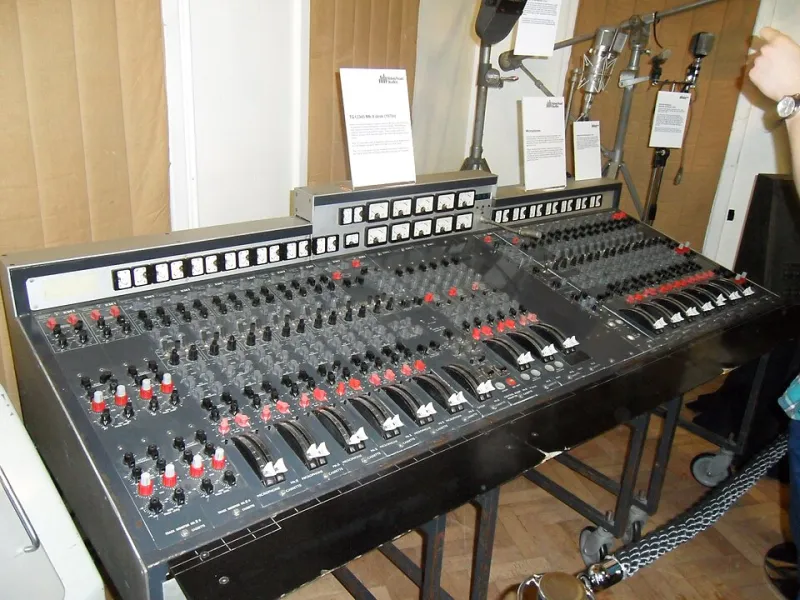
Photo: Spudgun67, CC BY-SA 4.0, via Wikimedia Commons
A booking can hinge on some strange things. A parking space. A shower that works. A kettle that boils fast enough to matter at 2am. And yes, sometimes a specific brand of tea.
Studios like to think clients book them for the room, the gear and the engineer. They do. But they also book them for how the day feels. Hospitality is the part of the studio experience that happens before the first take, between takes and after the red light goes off. In 2026, with more rooms chasing fewer reliable bookings, it is also a serious part of the business.
The rider is a personality test
Read enough riders and you learn a lot about how a session is going to go. Some are practical: parking, load-in, dietary needs, a quiet space for a vocalist. Some are very specific: a particular brand of Yorkshire Tea, oat milk in the fridge, a certain type of biscuit, still water rather than sparkling. Some are funny. Some are a cry for help.
The mistake is to treat every request as a diva demand. Most of the time it is not. It is a client telling you how they work and what makes the day run smoothly. A band that has been on the road for three weeks does not need a lecture on local tea culture. They need a clean mug and something familiar. A session singer does not need a complicated lunch. They need to know there is something they can eat without breaking their voice or their patience.
What artists notice before the first take
Engineers and artists judge a room quickly. Not just the monitoring and the mic collection. The load-in. The smell. The lighting. Whether the toilet is clean. Whether the green room has a sofa you can actually lie down on. Whether the wifi works and whether the mobile signal disappears the moment the heavy door closes.
These things do not show up in the gear list, but they shape the mood. A cold, cluttered green room tells a client that the details are not a priority. A warm, tidy one tells them someone is paying attention. That does not mean every studio needs a fancy lounge. It means the basics should work and the space should feel considered.
The kitchen is often the giveaway. A decent kettle, fresh milk, a clean fridge, a selection of tea and coffee, and a bowl of something that is not stale goes a long way. It is not about luxury. It is about reliability. The best hosts treat the kitchen as carefully as the live room because they know the two are connected.
The soft costs of comfort
Hospitality does cost money, but less than people imagine. Tea, coffee, milk alternatives, biscuits, fruit, water, cleaning supplies, towels and laundry add up over a year. So does the time spent shopping, resetting the green room and asking the same questions about dietary needs.
Compared with a new microphone or a service bill for a vintage compressor, it is small. The return is not always measurable in a spreadsheet, but it shows up in repeat bookings, referrals and the kind of reviews that mention how looked-after the artist felt. In a competitive market, that matters.
Hospitality as a booking strategy
Repeat business is the lifeblood of a studio. A band that feels comfortable will come back for the next record. A producer who knows the green room is sorted will bring the next artist. A manager who does not have to worry about lunch will remember the room when they are planning a bigger session.
This is not about pretending to be a hotel. It is about removing friction. The client should not have to ask where the mugs are, whether the milk is fresh or whether there is a quiet corner for a difficult conversation. The studio should have already thought about it.
There is also a wellbeing angle. Long sessions are tiring. A comfortable break space helps people make better decisions, and better decisions make better records. That is not soft nonsense. It is practical production advice.
The kitchen rules that actually work
Ask about rider and dietary needs at the booking stage, not on the morning of the session. Keep a shelf of regular items for repeat clients. Label things clearly, especially in a shared fridge. Have a decent tea selection, proper coffee and milk alternatives that are actually in date. Keep water available and easy to find.
Clean the green room properly between sessions. Empty the bins, wipe the surfaces, check the sofa for crumbs and make sure the bathroom has soap and towels. If you offer a shower, make sure it works and that there is somewhere to put a towel. If you promise parking, know the actual situation on the day.
And do not overpromise. A simple, reliable setup is better than a fancy one that falls apart. If you cannot provide a hot meal, say so and point clients to the local cafe. If the green room is small, make it comfortable rather than pretending it is a lounge.
Where hospitality goes wrong
It goes wrong when it is performative. Stale biscuits left out for a week. A sign that passive-aggressively tells clients to wash up. A green room that is really a storage cupboard with a beanbag. Hospitality cannot compensate for bad monitoring, a noisy room or an engineer who is not prepared. It is an addition to a good studio, not a substitute for one.
The other mistake is inconsistency. A brilliant first session followed by a dirty kitchen on the second tells clients that the care was an accident. The studios that get this right build it into the routine. It becomes part of the turnover, like checking the mics or printing the session notes.
The bottom line
The kettle is part of the kit. So is the clean mug, the fresh milk and the green room that feels like someone thought about it. UK studios cannot compete on gear alone, and they should not try to compete on luxury. They can compete on care. In 2026, that is a booking strategy with very little glamour and quite a lot of return.