The Reset Is Part of the Room: Pricing the Gap Between UK Sessions
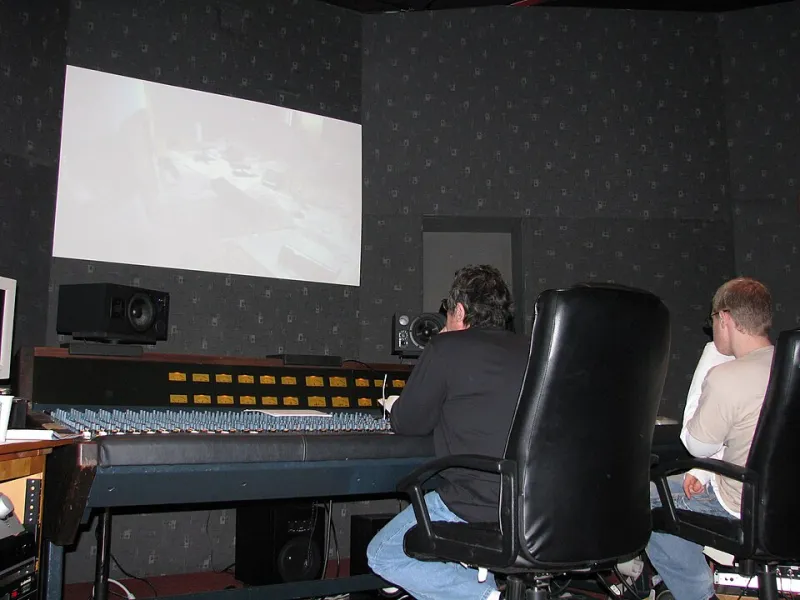
Photo: Jason Meredith, CC BY 2.0, via Wikimedia Commons
The clock says 2pm. The morning band are still coiling cables, the next artist is already in the car park, and the control room smells faintly of someone else's coffee. In 2026, that gap between sessions is one of the most quietly contested bits of the UK studio day. Not the room rate. Not the gear list. The reset.
For years, many studios treated changeover as invisible labour: a bit of sweeping, a quick patchbay check, a kettle run, and then straight into the next booking. The problem is that invisible labour still costs money, and when it is not priced, it gets squeezed. The next artist arrives to a room that is nearly ready, the engineer starts the session already behind, and the first take suffers. A growing number of UK rooms are responding by making the reset explicit: a set window, a clear line on the booking sheet, and a price that reflects what actually happens in it.
The gap is not dead time
A changeover is not a tea break with a broom. It is a state change. One session's creative mess has to become another session's clean starting point, and that means more than putting the chairs back.
In a small UK room, the reset might be twenty minutes. In a larger tracking space with a patchbay, outboard, multiple booths and a drum kit, it can easily run to an hour. The number matters less than the honesty. If the reset is real, it should be scheduled. If it is scheduled, it should be paid for. That is not a money grab; it is the difference between a studio running on goodwill and a studio running on a plan.
The old approach often worked because someone absorbed the cost: the engineer stayed late, the assistant skipped lunch, or the owner did the vacuuming at 11pm. That model is getting harder to sustain as room costs, energy bills and staff expectations all push in the same direction. Pricing the reset is one of the least dramatic ways to protect the quality of the room.
What a real reset includes
Patchbay recalls and desk state
If the studio has a patchbay, the reset starts there. Previous session's normals need checking, stray patch leads need pulling, and any custom routing needs returning to the house default. On a desk with recall, the reset may include loading a neutral scene or confirming that the last artist's monitor settings are not still in place. None of this takes long until it does. A missed patch can turn the first ten minutes of the next session into a fault-find, and fault-finds are expensive when the clock is running.
Surfaces, air and the human trace
Then there is the physical room. Mics back in cases or on the shelf. Music stands cleared. Spill dealt with before it becomes sticky. Bins emptied. The air reset matters too: a live room that has been full of people for six hours needs ventilation, not just a spray. In a Victorian building with limited airflow, opening a window for five minutes can do more for the next vocal than another layer of air freshener. Studios that price the reset can afford to build that pause in rather than pretending the room smells like a showroom.
Kit checks and the next artist's setup
A proper changeover also looks forward. Are the headphones working? Is the cue mix system where the next engineer expects it? Are the drum shells back in the right place, and is the kick mic stand still standing? If the next session has sent an advance list, this is the window to check it. Not at 10am when the artist is already plugged in. The reset is the studio's chance to catch the small stuff before it becomes someone else's emergency.
Pricing the reset without turning it into a penalty
There is no single right way to price a changeover. Some UK rooms fold a standard reset into the day rate and state the window clearly. Others quote it as a separate line for longer or more complex turnovers. Both can work, as long as the artist knows before they book.
The important thing is transparency. A booking that says eight hours of studio time and then quietly expects the artist to wait while the room is reset is not really an eight-hour booking. It is a booking with a hidden tax. A booking that says seven hours plus a one-hour reset is clearer, easier to compare, and less likely to end in a tense conversation at the door.
For studios, the reset line also creates a useful decision point. If the next artist needs a fast turnaround, the studio can quote for it honestly. If the room needs more time, the studio can say so without feeling like it is being difficult. That is better for margins and better for the work.
A simple reset line for the booking sheet
A workable entry does not need to be complicated. It can be as plain as: standard changeover included between sessions, twenty minutes; complex patchbay or drum reset, quoted separately. The point is to name it.
Behind that line, the studio should know its own checklist. Patchbay default. Desk recall. Mics returned. Surfaces wiped. Air moved. Kit checked. Next session's advance notes read. Tea and coffee stocked, because someone will ask. That list is the actual product. The twenty minutes is just the label.
Why the first take pays for it
Artists remember how a room feels when they walk in. They remember whether the engineer is hunting for a missing DI while they are warming up. They remember whether the vocal booth smells like yesterday's session. A clean reset does not guarantee a great take, but a botched one makes a great take less likely.
Pricing the changeover is not about squeezing another fee out of the day. It is about admitting that the room has to be put right between uses, and that putting it right is part of the service. In a UK studio market where diaries are tight and expectations are high, the rooms that say this out loud are often the ones that feel calmest when the next artist arrives. The reset is part of the room. It is time to book it like one.