The Throne Matters: Why UK Studios Are Upgrading the Chair Before the Preamp
There's a moment every engineer knows. The artist is three lines into a vocal, the room sounds lovely, the mic is doing exactly what it should — and then they shift. Not a musical shift. A physical one. Hips left, shoulders right, a small grimace, and the performance drops half a gear. You stop the take. You ask if they're alright. They say the chair's a bit uncomfortable. And suddenly the most important piece of gear in the room is the one nobody put in the signal chain.
The cheapest thing in the room is doing the most work
We obsess over preamps, converters and mic positions, and rightly so. But a singer's diaphragm, a guitarist's fretting wrist and a drummer's lower back are all sitting on something, and that something shapes how long they can hold a note, how relaxed their shoulders are and whether they'll still be comfortable at hour four. A great chair doesn't make a bad song good. A bad chair, though, will absolutely make a good take worse.
Studio owners across the UK have started saying this out loud. In Manchester, a mid-sized live room has replaced its drum stool twice in three years — not because it broke, but because the first two were 'fine' and the third one is actually right. In Peckham, an owner told me she now budgets for seating in the same line as cabling and stands, because artists notice. They might not say it, but they notice.
What owners are actually buying
This isn't a story about everyone rushing out for a Herman Miller. The reality is more varied, and more sensible. The pattern that keeps coming up is a mix of four things:
- Ergonomic task chairs for the desk and the mix position, often bought second-hand from office clearances. A decent refurbished Steelcase or Herman Miller costs less than a mid-range condenser and lasts a decade.
- Saddle stools and proper drum thrones for the live room, adjustable in centimetres rather than vague notches. Drummers will tell you within ten seconds whether a throne is any good.
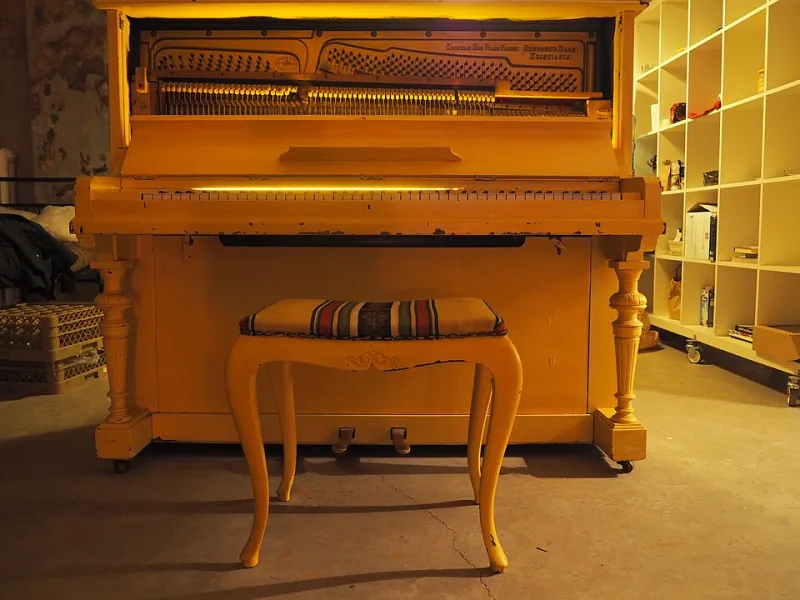
- Adjustable benches for keys and writing sessions, because a piano stool that doesn't move is a piano stool that only suits one person.
- Something soft and low in the corner of the live room, because not every session is a standing-up session and a sofa is still the most requested piece of furniture in the building.
The brands that come up in conversation are the obvious ones — Herman Miller, Steelcase, Orangebox, Senator, Ikea's Markus for budget spots — but the interesting part isn't the badge. It's the adjustability. Armrests that drop out of the way for guitarists. A seat pan that tilts. Castors that lock. Small things that mean a six-foot drummer and a five-foot singer can both use the same corner of the room without either of them feeling like they're in the wrong place.
The squeak, the castor and the click
Here's the unglamorous part nobody puts on Instagram. Chairs are noisy. A castor rolling across a Victorian floorboard is a take-ender. An armrest knocking against an acoustic guitar is a click you'll hear in the headphones before you hear it in the room. A drum throne that squeaks on every backbeat is, technically, part of the performance — and not in a good way.
Owners have developed small rituals. Felt pads under the legs. Replacing castors with glides in the live room. A can of silicone spray that lives in the same drawer as the gaffer tape. One engineer in Bristol keeps a folded blanket specifically for the chair in booth two, because the floor there is uneven and the chair has a mind of its own. None of this is glamorous. All of it saves time.
The complaint you don't hear until the third day
Posture complaints rarely arrive on day one. They arrive on day three, when an artist is deep into a record and their back has decided it's had enough. That's when a studio discovers whether its seating is a duty of care or a liability. It's not just about comfort. It's about accessibility, too — artists who are pregnant, artists with existing back issues, older session players who have been doing this since the tape days and know exactly what their spine will tolerate.
A few owners have started writing seating into their risk assessments, alongside things like cable runs and step ladders. It sounds bureaucratic. In practice it's just good hosting. If someone's going to spend twelve hours in your building, the least you can do is give them somewhere decent to sit.
Hygiene, sharing and the £40 cushion
Shared chairs get shared. Headrests, seat fabric, the arm you lean on while you're cueing up a take. Studios have always been communal spaces, and the post-pandemic years nudged a few owners into keeping wipes and covers around. Nothing dramatic — just a routine that means the chair in booth one doesn't become a talking point.
There's also a quiet trend of artists bringing their own cushion. Not because the studio's chairs are bad, but because a cushion is personal, portable and cheap. A couple of owners have leaned into it, keeping a small stack of firm and soft options in the green room. It costs almost nothing and it makes a session feel considered.
Budget lines and the preamp comparison
A decent ergonomic chair is £300 to £900 new, less second-hand. A good drum throne is £100 to £250. Compare that to the price of a serious preamp and it's almost a rounding error. Yet seating is one of the last things onto a studio's shopping list and one of the first things to get 'we'll sort it later'.
The argument for sorting it now isn't just comfort. It's longevity. Chairs can be serviced, reupholstered and rehomed. They hold value better than most gear and they don't need recapping in twenty years. More importantly, they're one of the few bits of kit that every single client touches. The drummer, the singer, the producer, the A&R who's popped in for an hour — they all sit somewhere.
The take you saved
None of this will make it into the liner notes. Nobody thanks the chair. But the next time an artist sails through a six-hour vocal session without once shifting uncomfortably, or a drummer plays a full day without asking for a break they don't need, that's the chair doing its job. It's the quietest upgrade in the room, and it might be the one that changes the take.